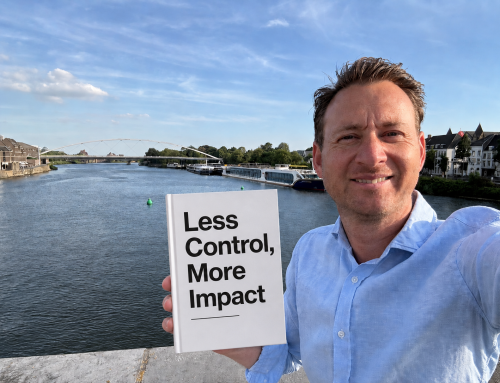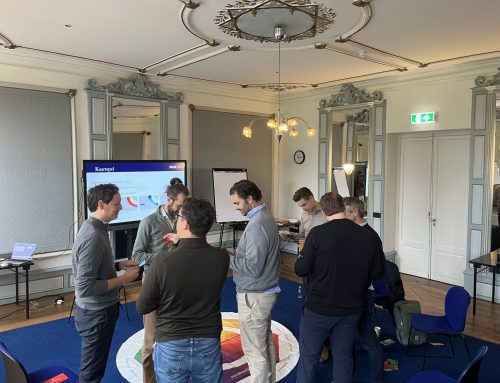
In this post we explored the first primal fear that keeps leaders holding on too long: Performance loss – the fear that things will fall apart without your involvement.
Yet there is a second fear that is quieter, more social and often more powerful.
It doesn’t question your team’s capability. It questions your own standing.
The second primal fear is Reputation loss – the fear of losing professional credibility; the sense that stepping back make others wonder whether you still add value. Reputation loss sounds like:
- “I should stay in this meeting” Not because your contribution is needed, but because your absent feels risky – as if visibility equals impact.
- “Let me add a few comments.” Even when the decision isn’t yours anymore, you offer input as expertise, not because the team needs it.
- “I don’t want them to think I’m disengaged.” So you stay involved in work you have already outgrown, performing effort instead of demonstrating altitude.
Here’s the second‑order effect:
The more you try to look indispensable, the more you signal you’re not operating at the right level.
When leaders cling to visibility, they unintentionally shrink their influence. When they too often try to prove their relevance, they often reveal insecurity. They think that letting go is the reputational risk, while staying too involved is.
Reputation Loss pushes leaders to protect the image of being in control.
Where are you proving relevance instead of creating it?
In this post we explored the first primal fear that keeps leaders holding on too long: Performance loss – the fear that things will fall apart without your involvement.
Yet there is a second fear that is quieter, more social and often more powerful.
It doesn’t question your team’s capability. It questions your own standing.
The second primal fear is Reputation loss – the fear of losing professional credibility; the sense that stepping back make others wonder whether you still add value. Reputation loss sounds like:
- “I should stay in this meeting” Not because your contribution is needed, but because your absent feels risky – as if visibility equals impact.
- “Let me add a few comments.” Even when the decision isn’t yours anymore, you offer input as expertise, not because the team needs it.
- “I don’t want them to think I’m disengaged.” So you stay involved in work you have already outgrown, performing effort instead of demonstrating altitude.
Here’s the second‑order effect:
The more you try to look indispensable, the more you signal you’re not operating at the right level.
When leaders cling to visibility, they unintentionally shrink their influence. When they too often try to prove their relevance, they often reveal insecurity. They think that letting go is the reputational risk, while staying too involved is.
Reputation Loss pushes leaders to protect the image of being in control.
Where are you proving relevance instead of creating it?