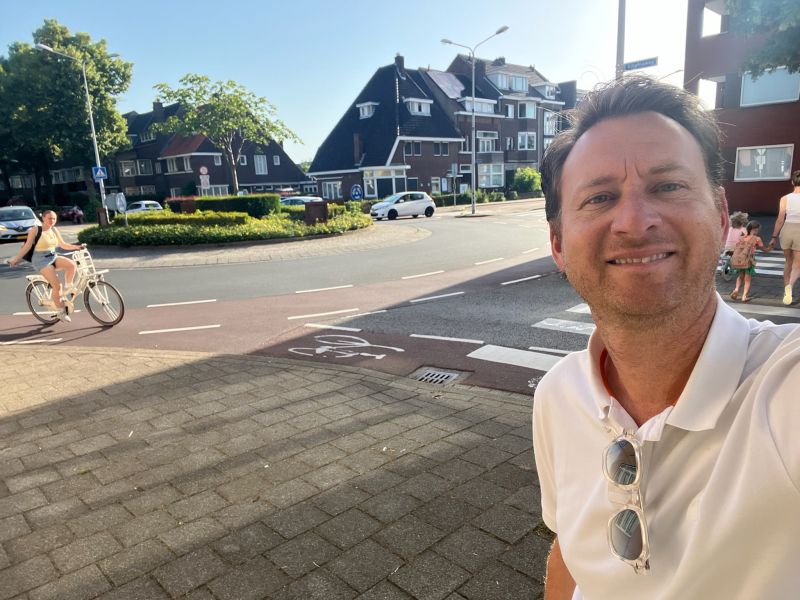
Every morning when I bring my girls to school, I pass two roundabouts.
I never have to think, it’s an intuitive mechanism with one simple principle: when you are on the roundabout, you have priority. Every driver knows it. Every driver applies it. Traffic moves continuously — no enforcement, no friction, no one managing it from above.
The Netherlands has the highest density of roundabouts in the world. They work exceptionally well because of a simple principle, not better rules.
I see the same dynamic in leadership every day.
𝐂𝐨𝐧𝐭𝐫𝐨𝐥-𝐛𝐚𝐬𝐞𝐝 𝐥𝐞𝐚𝐝𝐞𝐫𝐬𝐡𝐢𝐩 keeps adding governance — another rule for another exception, another approval to prevent another mistake. Each addition feels responsible. Together they recreate the intersection: a system that only works when someone is constantly managing it.
𝐈𝐦𝐩𝐚𝐜𝐭-𝐛𝐚𝐬𝐞𝐝 𝐥𝐞𝐚𝐝𝐞𝐫𝐬𝐡𝐢𝐩 builds roundabouts. One clear principle that people carry with them, even when you are not in the room. And here is the paradox: the moment you start adding more governance to that principle, you weaken it.
The more you rely on external governance, the more the system depends on you. The more you rely on a shared principle, the more the system can move without you.
𝘞𝘩𝘪𝘤𝘩 𝘱𝘢𝘳𝘵 𝘰𝘧 𝘺𝘰𝘶𝘳 𝘭𝘦𝘢𝘥𝘦𝘳𝘴𝘩𝘪𝘱 𝘴𝘵𝘪𝘭𝘭 𝘰𝘱𝘦𝘳𝘢𝘵𝘦𝘴 𝘭𝘪𝘬𝘦 𝘢𝘯 𝘪𝘯𝘵𝘦𝘳𝘴𝘦𝘤𝘵𝘪𝘰𝘯 – 𝘢𝘯𝘥 𝘸𝘩𝘢𝘵 𝘸𝘰𝘶𝘭𝘥 𝘤𝘩𝘢𝘯𝘨𝘦 𝘪𝘧 𝘺𝘰𝘶 𝘳𝘦𝘱𝘭𝘢𝘤𝘦𝘥 𝘳𝘶𝘭𝘦𝘴 𝘸𝘪𝘵𝘩 𝘰𝘯𝘦 𝘤𝘭𝘦𝘢𝘳 𝘱𝘳𝘪𝘯𝘤𝘪𝘱𝘭𝘦?
Every morning when I bring my girls to school, I pass two roundabouts.
I never have to think, it’s an intuitive mechanism with one simple principle: when you are on the roundabout, you have priority. Every driver knows it. Every driver applies it. Traffic moves continuously — no enforcement, no friction, no one managing it from above.
The Netherlands has the highest density of roundabouts in the world. They work exceptionally well because of a simple principle, not better rules.
I see the same dynamic in leadership every day.
𝐂𝐨𝐧𝐭𝐫𝐨𝐥-𝐛𝐚𝐬𝐞𝐝 𝐥𝐞𝐚𝐝𝐞𝐫𝐬𝐡𝐢𝐩 keeps adding governance — another rule for another exception, another approval to prevent another mistake. Each addition feels responsible. Together they recreate the intersection: a system that only works when someone is constantly managing it.
𝐈𝐦𝐩𝐚𝐜𝐭-𝐛𝐚𝐬𝐞𝐝 𝐥𝐞𝐚𝐝𝐞𝐫𝐬𝐡𝐢𝐩 builds roundabouts. One clear principle that people carry with them, even when you are not in the room. And here is the paradox: the moment you start adding more governance to that principle, you weaken it.
The more you rely on external governance, the more the system depends on you. The more you rely on a shared principle, the more the system can move without you.
𝘞𝘩𝘪𝘤𝘩 𝘱𝘢𝘳𝘵 𝘰𝘧 𝘺𝘰𝘶𝘳 𝘭𝘦𝘢𝘥𝘦𝘳𝘴𝘩𝘪𝘱 𝘴𝘵𝘪𝘭𝘭 𝘰𝘱𝘦𝘳𝘢𝘵𝘦𝘴 𝘭𝘪𝘬𝘦 𝘢𝘯 𝘪𝘯𝘵𝘦𝘳𝘴𝘦𝘤𝘵𝘪𝘰𝘯 – 𝘢𝘯𝘥 𝘸𝘩𝘢𝘵 𝘸𝘰𝘶𝘭𝘥 𝘤𝘩𝘢𝘯𝘨𝘦 𝘪𝘧 𝘺𝘰𝘶 𝘳𝘦𝘱𝘭𝘢𝘤𝘦𝘥 𝘳𝘶𝘭𝘦𝘴 𝘸𝘪𝘵𝘩 𝘰𝘯𝘦 𝘤𝘭𝘦𝘢𝘳 𝘱𝘳𝘪𝘯𝘤𝘪𝘱𝘭𝘦?